When planning your camping trip, think about where you want to go and what you’d like to do. Choosing the right spot can make or break your adventure. Do you want to hike through mountains, relax by a lake, or maybe explore a dense forest? Each location offers something unique.
Check out local parks or national forests. They often have camping spots that are both beautiful and affordable. Once you’ve nailed down your destination, consider what activities you'll enjoy. Hiking, fishing, swimming, and stargazing are just a few options that can turn your trip into an unforgettable experience.
Make a list of activities based on the location's features. If you’re headed to a lake, pack fishing gear or a kayak. If you’re near mountains, bring hiking boots and a map. Having a set of activities in mind helps you pack the right gear and makes it easier to have fun once you get there.
Don’t forget about the season when you plan your activities. Some areas might be perfect for swimming in the summer but way too cold in the spring. Check the weather forecast to make sure you’re prepared for the conditions. Planning well will help you avoid surprises and ensure you make the most of your time outdoors.
Pack Smart for Comfort and Convenience
When it comes to camping, packing smart can make all the difference. You want your trip to be fun, not a hassle. Start by focusing on the essentials. Make a checklist of what you truly need, so you don’t end up carrying extra weight.
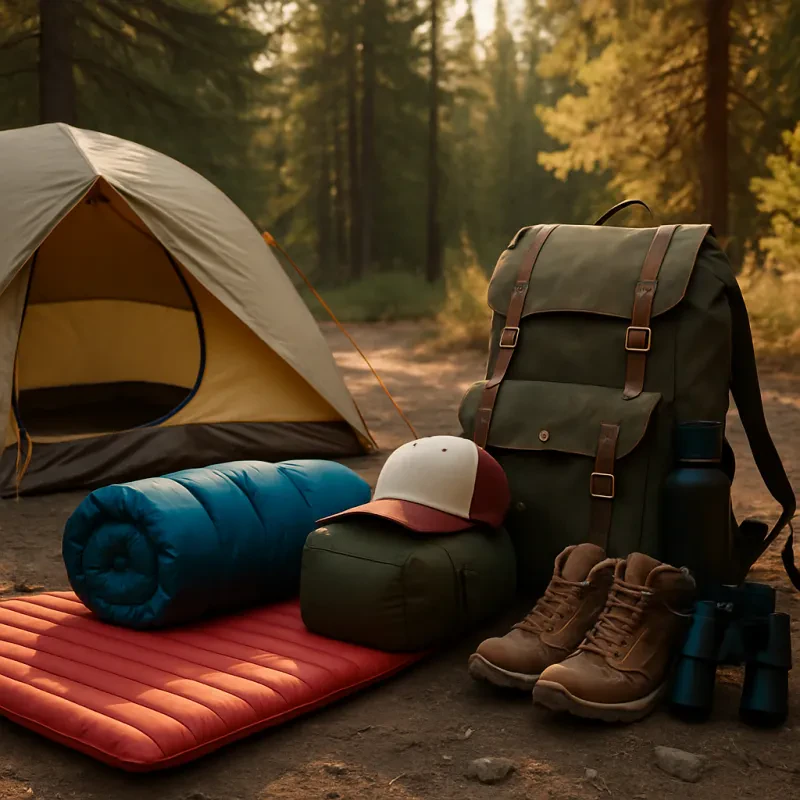
Think about comfort. A good sleeping bag can keep you cozy through chilly nights. Look for one that’ll keep you warm but isn’t too heavy to lug around. Don’t forget a sleeping pad too! It adds that extra cushioning and insulation between you and the ground—trust me, your back will thank you.
Convenience is key, so invest in a quality backpack. A well-designed pack distributes weight evenly and has pockets for easy access to snacks or maps. Look for features you love, like hydration reservoirs, which help you stay hydrated without fumbling for a water bottle.
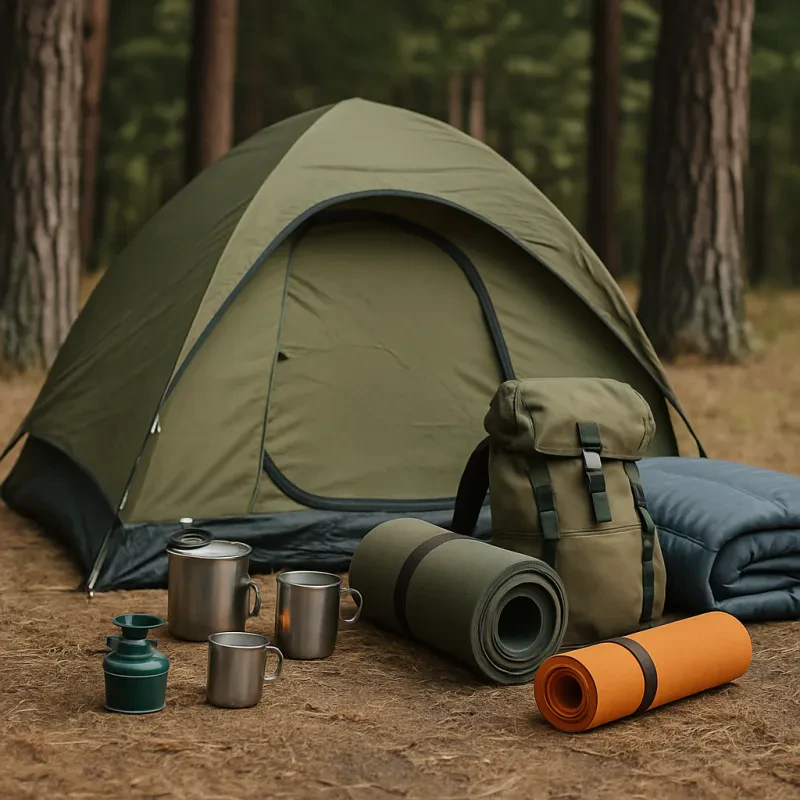
Lastly, consider your cooking gear. Compact, multi-use tools can save space. A lightweight stove and a pot that doubles as a bowl can go a long way in keeping things simple. Pack easy-to-prepare meals, like freeze-dried options. They’re light, quick to fix, and tasty after a long day of hiking!
Choose the Right Gear for Your Trip
Picking the right gear can make or break your camping trip. Everyone has different needs, so think about what you’ll be doing. Are you hiking all day, or just chilling by the campfire? Here’s a rundown on choosing the essentials that fit your plans.
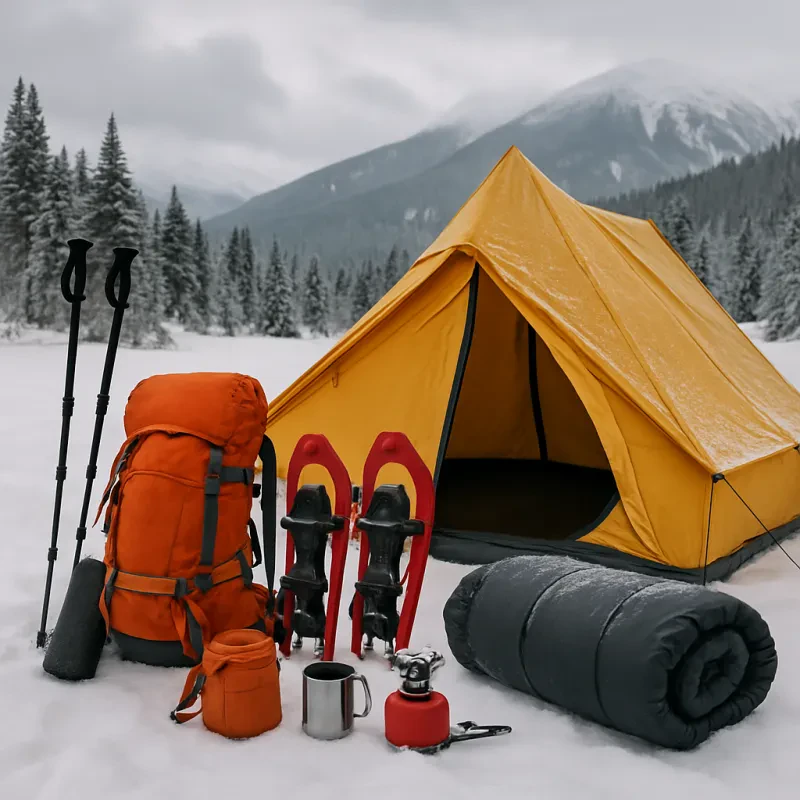
Tents: Your tent is your home away from home. For rainy trips, look for something waterproof with a good rainfly. If you plan to do some hiking, a lightweight tent is key. Consider how many people will be staying inside too. No one wants to feel cramped!
Sleeping Bags: Stay cozy at night with a sleeping bag that matches your comfort needs. Check the temperature rating to make sure it’ll keep you warm enough. If you're camping in summer, go for a lighter bag. For cooler nights, a thicker one is the way to go.
Cooking Gear: You don't have to eat cold beans every night! Think about how you'll cook. A compact stove or portable grill is great for whipping up meals. Don’t forget utensils and a good cooler to keep your food fresh. Plan your meals ahead of time to make packing easier.
Backpacks: Comfort is everything when you’re on the trail. Pick a backpack that fits well and can carry everything you need. Aim for a hip belt for weight distribution. Remember to check the capacity based on your trip length—some trips need bigger packs than others.
Stay Safe and Enjoy Nature Responsibly
Camping is all about enjoying the great outdoors, but it’s super important to be safe while you’re at it. Before you head out, make sure to check the weather. A little bit of rain can be fun, but thunderstorms can spoil the fun and put you in danger. Have a backup plan just in case conditions change!
When you're out in nature, wildlife can be both exciting and a bit scary. Keep your food stored properly in bear-proof containers or hang them high in trees if you're in bear country. This not only keeps you safe but helps minimize any unwanted animal visitors. Also, give animals their space. Observe them from a distance, and never feed them.
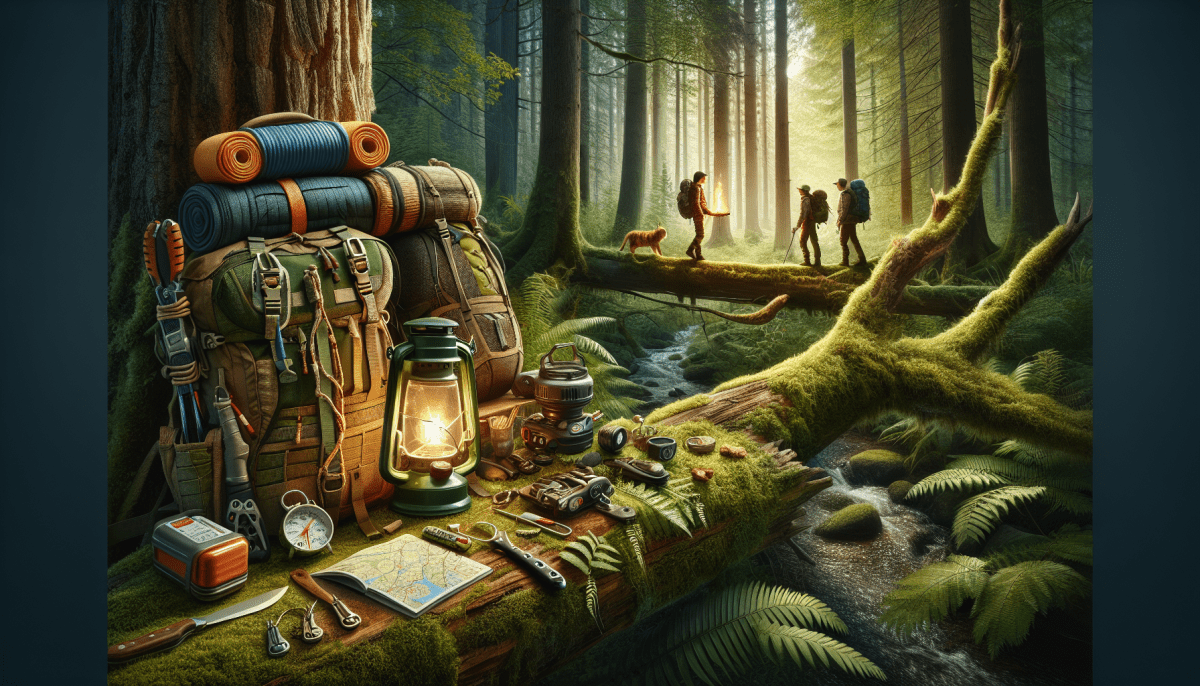
Staying on marked trails is a great way to protect both yourself and the environment. Wandering off the path may seem adventurous, but it can disturb local plants and wildlife. Always leave no trace. Pack out what you pack in, and do your part to keep the camping area clean.
Don’t forget about first aid! Bring a basic first aid kit, and know how to use it. Whether it's a small cut or an insect bite, having that kit handy can save you a lot of trouble. Plus, it’s a good idea to share your camping plans with someone who isn’t going with you. Just a little precaution goes a long way!